
What If AI Could Stop Security Bugs Before You Even Wrote Them?
Why Kiro’s approach to software engineering might be more important than AI code generation itself
“Can we trust artificial intelligence to write secure software?”
It’s an easy question to ask, but I don’t think it’s the right one.
The better question is this:
Can AI help us become better software engineers, or will it simply help us produce more code, more quickly?
Continue reading What If AI Could Stop Security Bugs Before You Even Wrote Them?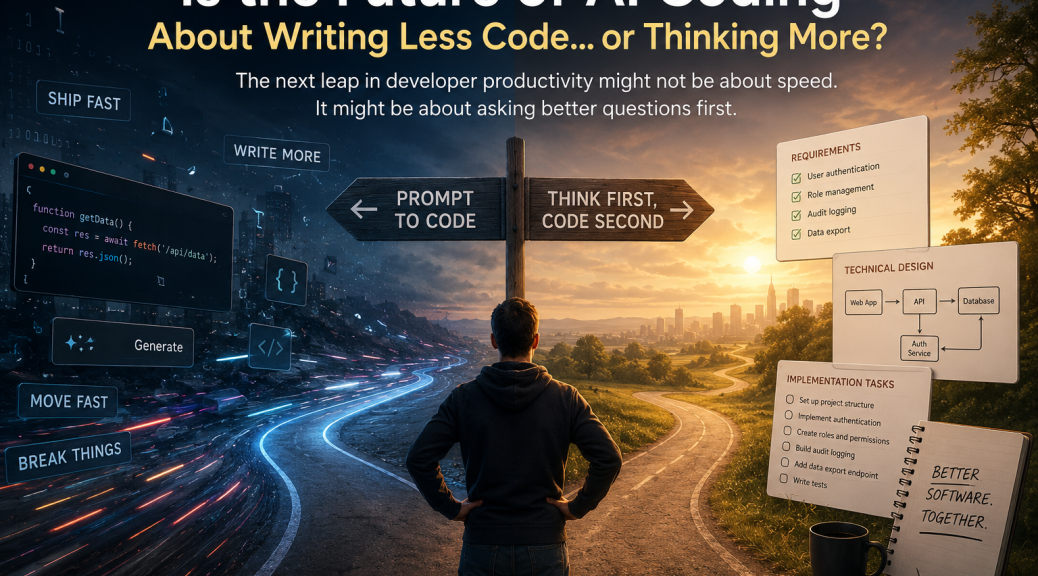
Is the Future of AI Coding About Writing Less Code… or Thinking More?
Continue reading Is the Future of AI Coding About Writing Less Code… or Thinking More?Here’s a question. If I gave two developers exactly the same AI, why would one produce elegant, maintainable software while the other creates an unmaintainable mess?
The answer probably isn’t the AI.
It’s the process.
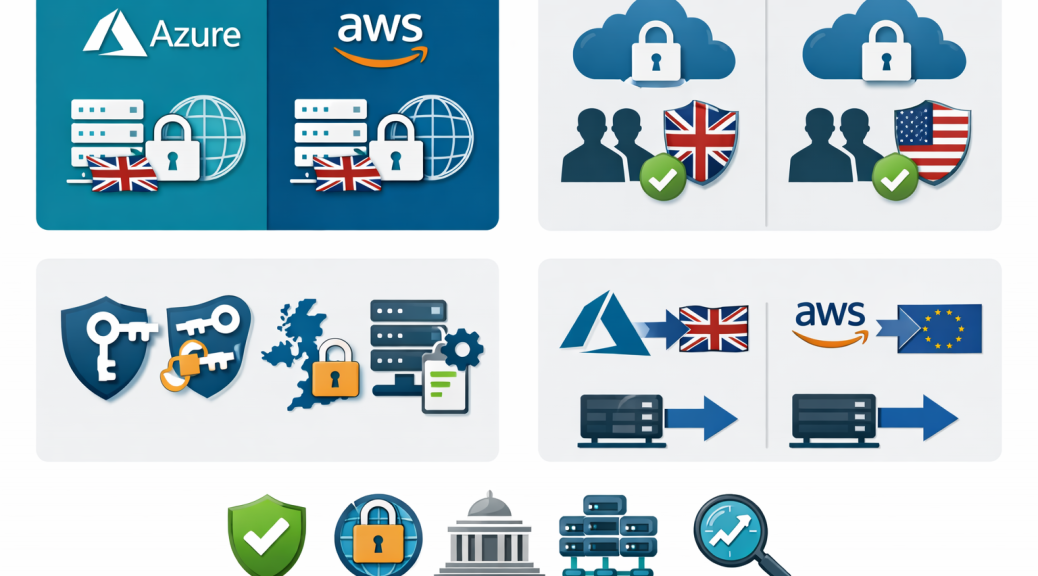
Who Really Controls Your Data? The Truth About Sovereign Cloud
Cloud computing is now so normal that most organisations barely think twice about where their data lives. It sits in “the cloud”, it works, it’s secure, and everyone moves on. Yet behind the scenes, a quieter but increasingly important conversation is taking place in boardrooms, regulator meetings and procurement discussions. That conversation is about sovereignty.
Continue reading Who Really Controls Your Data? The Truth About Sovereign Cloud
The Tower of Babel Rebuilt: Are We Creating a God in the Machine?
The Ancient Warning
“Come, let us build ourselves a city, with a tower that reaches to the heavens… so that we may make a name for ourselves.”
— Genesis 11:4
In the biblical story of the Tower of Babel, humanity’s unified ambition to reach the heavens is interrupted by divine intervention. Language is confounded, and the people are scattered—ambition halted by humility.
Today, we are building again. But this time, the tower is digital.
Continue reading The Tower of Babel Rebuilt: Are We Creating a God in the Machine?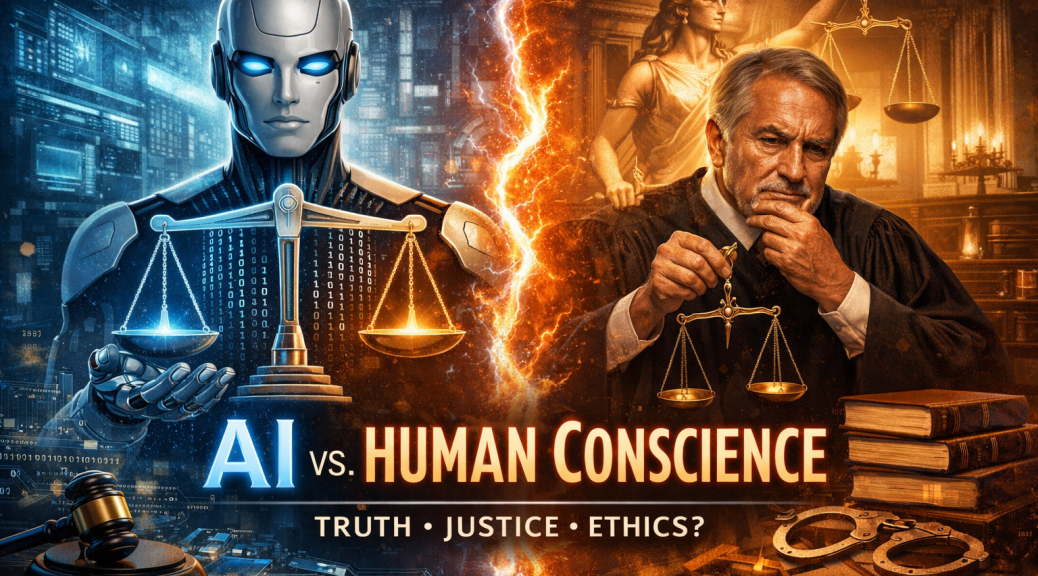
AI as Arbiter of Truth and Justice: Can Algorithms Supplant Human Conscience?
As artificial intelligence permeates everyday life, society faces a provocative question: are we ceding our definitions of truth and justice to machines? From AI-powered news feeds that shape what we see as “true” to algorithms advising judges on sentences, the influence of AI on moral and legal decisions is growing. Tech giants tout AI systems – from generative chatbots like ChatGPT to decision tools in courts and HR departments – as unbiased and efficient. Yet observers worry that by increasingly relying on AI to decide what is true and what is fair, we risk outsourcing our own moral judgement. Could an AI, even one designed to sound human, ever replace the human conscience that guides ethical decisions? This article explores the consequences of this shift, drawing on expert insights and current examples to challenge readers to critically consider how far we should entrust truth and justice to algorithms.
Continue reading AI as Arbiter of Truth and Justice: Can Algorithms Supplant Human Conscience?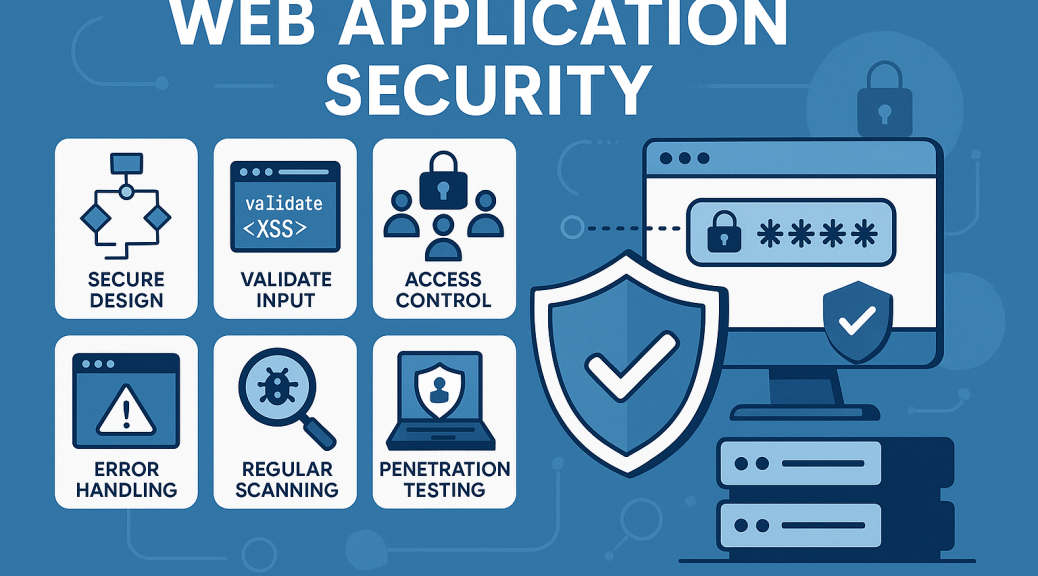
Web Application Security: What Every Business Needs to Get Right
If your business runs a website, customer portal, booking system, online shop, or internal web-based tool, then web application security is not optional. Web applications are one of the most common entry points for cyber attacks because they are public-facing, interactive, and often connected to sensitive data.
Continue reading Web Application Security: What Every Business Needs to Get Right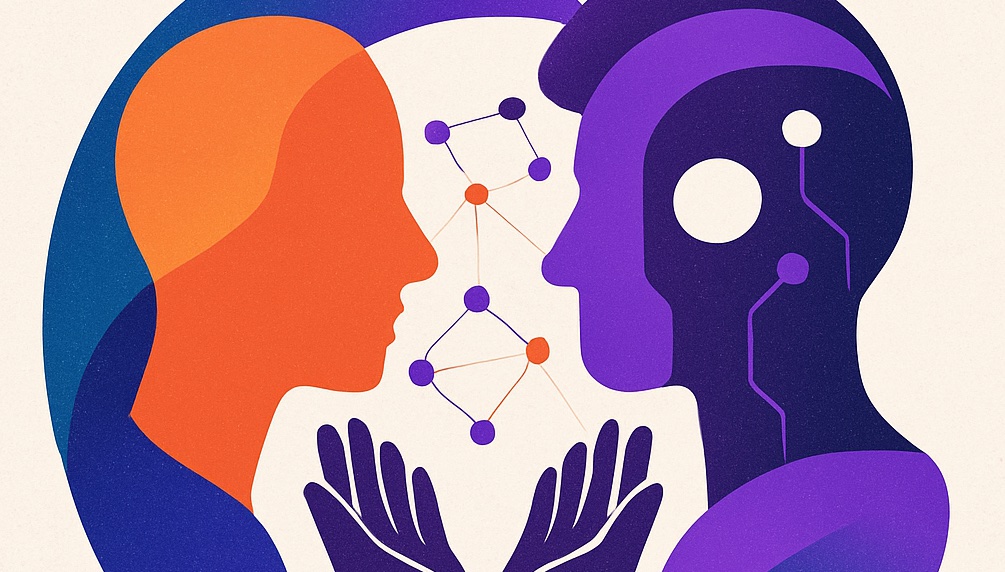
Agentic AI: Why Human-Centred Design Matters More Than Ever
Artificial intelligence is evolving quickly, but one of the most important shifts happening right now is the move towards agentic AI—systems capable of planning, reasoning and acting with a degree of autonomy. They can simulate outcomes, test strategies, and help humans make more informed decisions.
Continue reading Agentic AI: Why Human-Centred Design Matters More Than Ever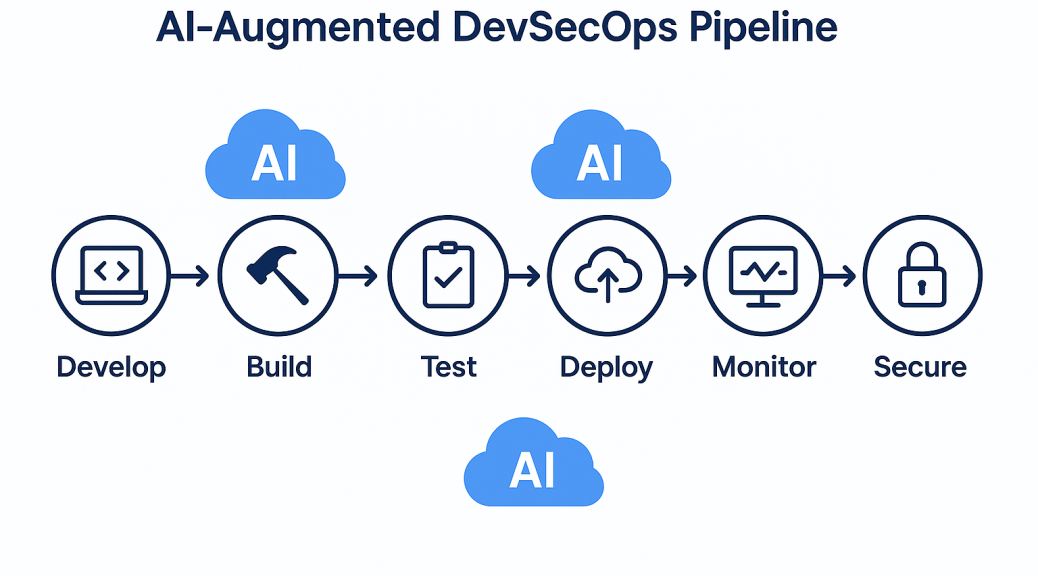
AI-Augmented DevSecOps: Securing the Software Supply Chain at Scale
Introduction
Software development has evolved rapidly, and with it, the need for robust security practices has never been greater. Across industries, organizations are embracing DevSecOps—a methodology that integrates security into every stage of the development lifecycle. This shift is essential because open-source adoption has skyrocketed, growing from just 36% of codebases in 2015 to 75% in 2020. While this trend accelerates innovation, it also introduces significant risks. High-profile breaches, such as the SolarWinds attack, have demonstrated how vulnerable the software supply chain can be when security is not prioritized.
Continue reading AI-Augmented DevSecOps: Securing the Software Supply Chain at ScaleCitadel Governance Hub: The Enterprise Blueprint for Scaling AI Safely, Responsibly and Efficiently
Businesses of every size are now moving far beyond early AI experimentation. What began with simple copilots and isolated proof-of-concepts has quickly evolved into a landscape where organisations expect to operate dozens—and soon thousands—of AI agents across their departments. These agents will collaborate with one another, call internal and external systems, interpret complex contexts and support increasingly critical business processes. As this shift accelerates, one question becomes unavoidable: how do we allow AI to scale without losing control, breaching compliance, duplicating effort or suffocating innovation?
Continue reading Citadel Governance Hub: The Enterprise Blueprint for Scaling AI Safely, Responsibly and Efficiently