
If your business runs a website, customer portal, booking system, online shop, or internal web-based tool, then web application security is not optional. Web applications are one of the most common entry points for cyber attacks because they are public-facing, interactive, and often connected to sensitive data.
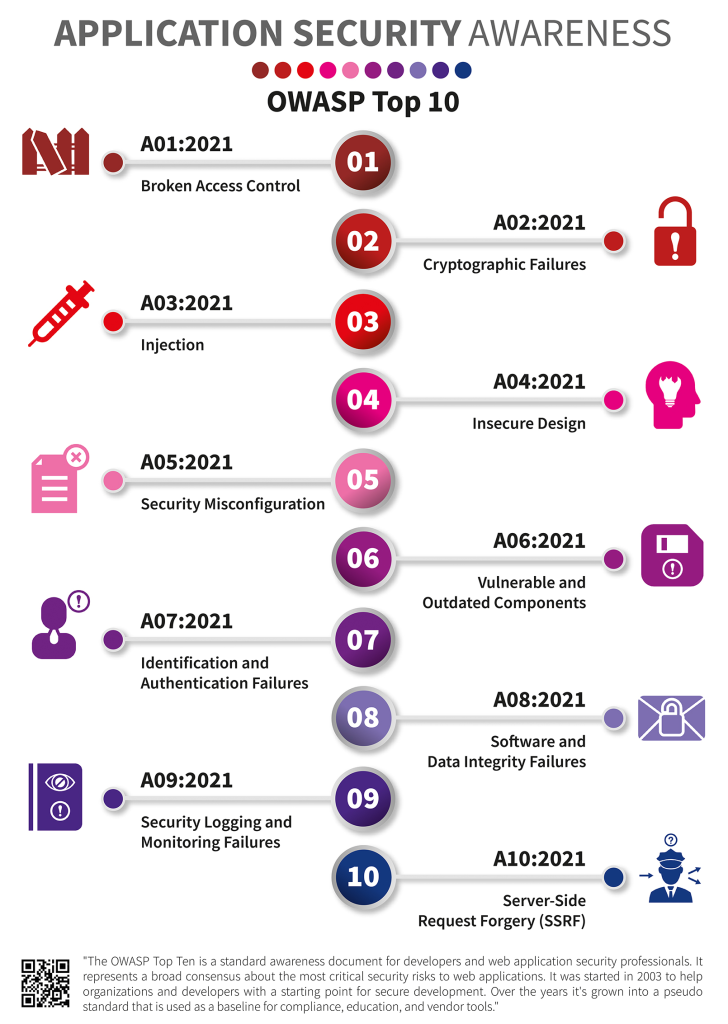
This article explains, how web applications are attacked, what actually protects them, and how businesses should think about security using proven OWASP principles.
Why web applications are such a common target
A web application is more than just a “website”. It includes login pages, contact forms, payment systems, APIs, admin dashboards, and anything that processes requests over the internet.
Attackers don’t usually need to break in dramatically. They look for small weaknesses: a form that doesn’t validate input properly, an error message that reveals too much information, or a forgotten system that was never patched. Once found, these weaknesses can be exploited automatically and at scale.
The goal of web application security is to prevent data theft, service disruption, regulatory breaches, and reputational damage before they happen.
Secure design starts long before launch
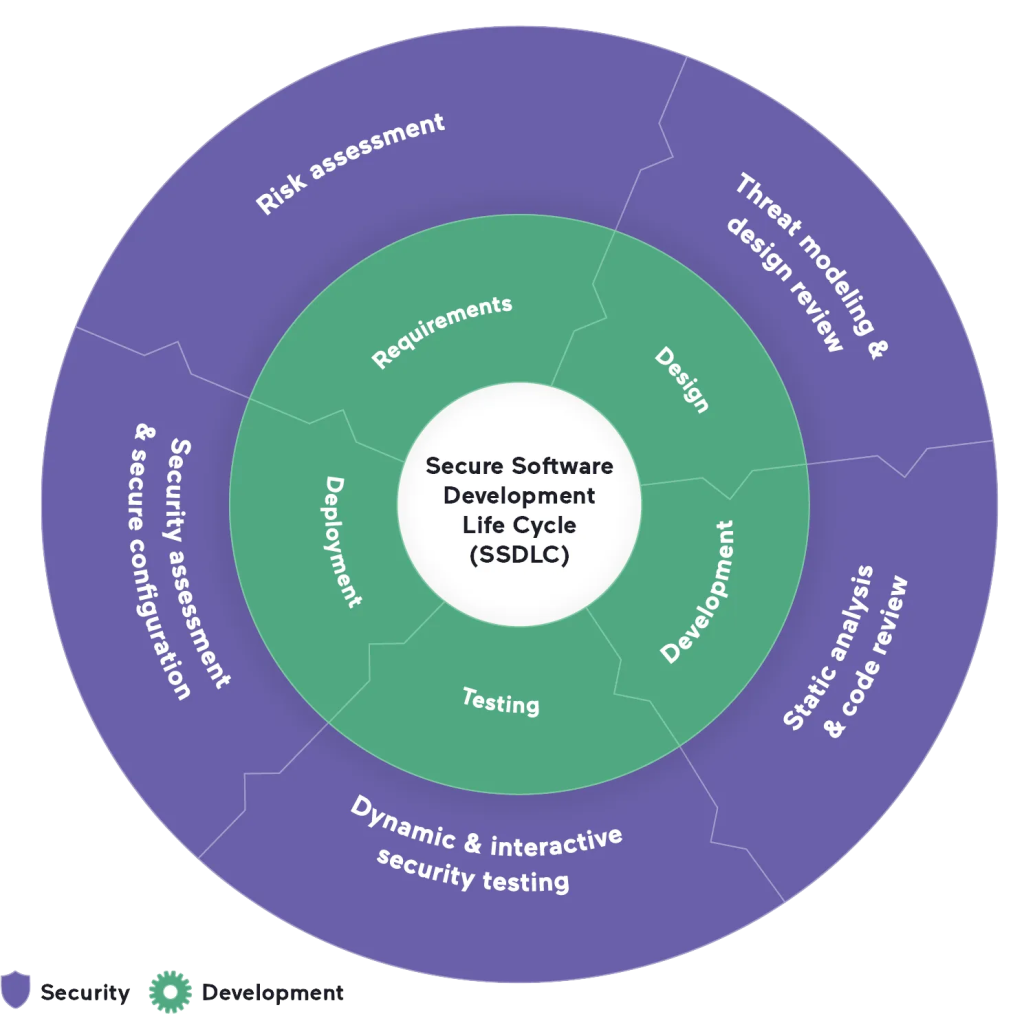
One of the biggest mistakes organisations make is treating security as something to “add later”. Security needs to be part of how an application is designed, built, tested, and maintained.
Decisions made early, such as how users log in, how data is checked, how long sessions last, and what gets logged, have a long-term impact on risk. Fixing security issues after an application is live is slower, more expensive, and far more disruptive.
Good security design saves money in the long run.
Never trust user input
Every piece of data a web application receives should be treated as untrusted. This includes form fields, URLs, cookies, hidden fields, uploads, and API requests.
Applications must check that input:
- is the correct type
- is within an acceptable range
- is the expected length and format
They must also clean or neutralise input so it cannot be interpreted as executable code. Many common attacks, such as cross-site scripting and injection attacks, succeed simply because applications trust what users send them.
Importantly, these checks must happen on the server. Anything that relies only on the web page itself can be bypassed.
Security must never rely on users clicking buttons in the “right order”. Attackers do not use the interface in the way it was intended. They send crafted requests directly to the server.
This is why all critical checks, including authorisation and validation, must be enforced server-side.
Error messages, sessions, and access control matter more than people think
Small details often create big risks.
Error messages should be generic and never expose technical information. Session timeouts reduce the chance of account hijacking, especially on shared or compromised devices. Session identifiers must be unpredictable and only transmitted securely.
Access should follow the principle of least privilege. Users and systems should only have the permissions they genuinely need. Logging failed logins and access attempts is essential for detecting misuse and investigating incidents.
Web Application Firewalls: a vital layer of defence
A traditional firewall controls traffic based on ports and IP addresses. A Web Application Firewall (WAF) goes much further by understanding web traffic itself.
A WAF inspects HTTP and HTTPS requests and can detect and block common attack patterns such as:
- cross-site scripting
- SQL injection
- cross-site request forgery
- directory traversal
- application-layer denial-of-service attacks
WAFs also provide centralised visibility into attack attempts, helping organisations spot trends and respond early.
However, a WAF is not a replacement for secure design. It works best as part of a layered security approach.
Cloud-based protection and smart configuration
In cloud environments, WAFs are typically provided as managed services. These often support a detection mode, which logs suspicious activity, and a prevention mode, which actively blocks attacks.
Detection is useful when tuning rules to avoid disrupting legitimate users. Prevention provides stronger protection once confidence is established. Modern platforms use OWASP-aligned rule sets that evolve as new threats emerge.
Scanning: seeing what attackers can already see
Anything exposed to the internet can be discovered. Regular scanning helps organisations see themselves as an attacker would.
Network scanning identifies which systems are reachable and which services are exposed. Vulnerability scanning goes further by identifying known weaknesses such as missing patches, weak configurations, or insecure protocols.
These scans do not exploit systems. They highlight what needs fixing and allow teams to prioritise work based on risk.
Penetration testing: proving real-world impact
Penetration testing takes things a step further by actively attempting to exploit weaknesses. This helps answer a critical question: if this issue is abused, what actually happens?
Pen testing can reveal whether attackers could access sensitive data, bypass controls, or disrupt services. Because it can affect live systems, it must be carefully planned, authorised, and governed.
It is different from broader attack simulations, which focus on how well an organisation detects and responds rather than purely technical flaws.
Security is a process, not a one-off task
Strong web application security comes from combining good design, preventative controls, and continuous testing.
Organisations that follow OWASP-aligned practices typically:
- build security into applications from the start
- protect exposed systems with WAFs
- scan regularly for weaknesses
- carry out periodic penetration testing
- patch and update quickly
- log and monitor activity
This layered approach dramatically reduces risk.
Final thoughts
Web application security is about protecting your business, not just your technology. As applications evolve and threats change, security must evolve with them.
By designing securely, protecting intelligently, and testing regularly, organisations can safeguard data, maintain availability, and build trust with customers and partners. OWASP principles provide a practical, proven foundation for doing exactly that.